
Got a product idea, a brand name sorted, maybe even a logo sitting in your downloads folder? Good start. But the moment someone asks whether you’re going third-party or private label, things get awkward fast, because honestly, most people nod along without really knowing the difference.
Founders jump into skincare or haircare thinking manufacturing is just paperwork you sort out later, a formality. It’s not. Pick the wrong route and you’ll feel it later, thinner margins, a launch pushed back by weeks, or a product that could belong to any brand on the shelf because, well, it kind of does.
This is exactly the kind of decision that quietly shapes everything else about your brand. So if you’re hunting for a cosmetic manufacturer in India right now, it’s worth slowing down and actually understanding what you’re choosing between.
What Does Private Label Manufacturing Actually Mean?
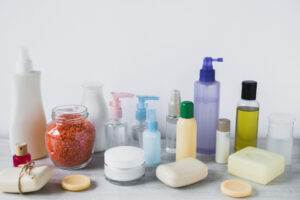
Start with a private label, it’s the easier one to wrap your head around. A cosmetic manufacturer in India running a private label setup already has a catalogue of formulations ready to go, face washes, lotions, lip balms, hair oils, that sort of thing.
You pick something from that catalogue, slap your branding on it, and that’s it. Bottle’s got your logo, box tells your brand story, but the formula inside is the same one other brands are probably using too.
Why Brands Choose This Route
Mainly speed. The formula’s already been developed and tested, so you can go from “let’s do this” to a product actually sitting on shelf in weeks instead of months.
Then there’s the money angle. No R&D spend, no formulation trials, none of those stability testing bills that pile up quietly. You’re renting a product, basically, and putting your name on it.
Works well if you’re testing an unfamiliar market, running on a tight budget, or just want proof there’s demand before you commit real money to something custom.
What Is Third-Party Manufacturing, Then?
Third-party manufacturing flips that whole process around. Either you show up with a formula already in hand, or you sit with the manufacturer’s R&D team and build one from scratch together.
Maybe what you’re after is a sulphate-free shampoo with a very particular scent, or a sunscreen that skips that chalky white cast everyone complains about. Whatever it is, a cosmetic manufacturer in India doing third-party work will build that exact formula, put it through proper testing, and produce it only for you. No one else touches it.
The Trade-Off You’re Signing Up For
Naturally, it takes longer. Formulation, stability testing, regulatory checks, all of that can stretch to a few months depending on how tricky the product is.
Costs more too, since you’re paying for actual development, not just packaging and a production run. But what you get back is a formula that’s genuinely, legally yours, not something five other brands are also quietly selling.
Ownership Is Where the Real Difference Lives
This is the part that trips people up most. With a private label, the formula was never yours to begin with. Your manufacturer can hand that same body lotion recipe to five other brands next month, and technically, there’s nothing wrong with that, because exclusivity was never part of the deal.
Third-party contracts usually spell ownership out clearly. Most agreements state the formula built for you stays exclusive, which matters a lot down the line if you’re planning to protect it as intellectual property.
Thinking about raising funding someday, or eventually selling the brand, or simply not wanting a copycat product showing up next quarter? This is exactly where that distinction starts to bite.
Which One Fits Your Business Stage?
Honestly, there isn’t a universal right answer. Comes down to where your brand actually stands today.
If You’re Just Starting Out and Testing the Waters
Private labels work when speed and low upfront cost matter more right now than owning an exclusive formula. Quite a few well-known Indian D2C beauty brands started exactly this way, private label first, then shifted to custom formulations once real customer feedback started coming in.
If You Already Have a Clear Brand Identity
If your whole brand is built around something specific, Ayurvedic ingredients, strictly vegan claims, or a targeted skin concern like hyperpigmentation, private labels usually can’t get you there with enough precision. A dependable cosmetic manufacturer in India doing third-party work can build the formula around your positioning instead, rather than you trying to squeeze your brand story into whatever’s already sitting on a shelf somewhere.
Questions Worth Asking Before You Decide

Don’t take anything on assumption here, ask directly before signing.
Find out whether their private label formulas allow small tweaks, fragrance or colour changes, that kind of thing. Some manufacturers do offer this middle ground, and it’s worth knowing upfront.
Check MOQs on both models too, third-party manufacturing often needs a higher order quantity just to make the development cost worth it on their end.
And get formulation ownership documented properly. Verbal promises tend to hold very little weight once an actual dispute lands on the table.
Where Oxzyn Healthcare Fits Into This Picture
Oxzyn Healthcare works across both models, and that’s not just a marketing line, it actually matters. A lot of manufacturers steer brands toward whichever option is easier for their own production line, not necessarily what suits the brand’s actual goals. Oxzyn Healthcare takes the opposite approach, letting the brand’s stage and vision decide the path instead of the other way around.
For founders wanting a quick launch, the private label catalogue at Oxzyn Healthcare spans a fairly wide range, skincare, haircare, personal care essentials, all already formulated and tested, ready to be packaged under a new brand name within a short turnaround.
For founders who already know precisely what they want, a specific ingredient combination, a particular texture, a formula that skips certain chemicals, the third-party setup at Oxzyn Healthcare means working closely with the in-house formulation team right from the concept stage through to the final tested batch. Nothing gets rushed just to hit a deadline, because a formula failing stability testing later on costs far more time than simply getting it right the first go.
What genuinely stands out about Oxzyn Healthcare as a cosmetic manufacturer in India is how transparent they are about ownership and documentation. Brands know upfront whether their formula is exclusive or shared across other private label clients, so there’s no unpleasant surprise waiting six months into the partnership.
That kind of flexibility, honestly, is a good marker to look for in any cosmetic manufacturer in India you’re evaluating. A manufacturer offering only one model, insisting it’s the only sensible way forward, is probably thinking more about their own production convenience than your actual business needs.
Making the Call
Neither option really beats the other outright. They just solve different problems depending on where your brand happens to be right now.
Need speed and a lower upfront cost immediately? Private labels get you there faster. Building something meant to genuinely stand apart, with a formula nobody else can copy? Third-party is worth the extra time and the extra spend.
The best move, honestly, is talking to a cosmetic manufacturer in India early on, before you’ve boxed yourself into any one path, and letting them walk you through both routes based on your actual product idea.
A good manufacturing partner won’t just push whatever’s convenient for them. They’ll help you work out what genuinely fits where your brand is headed.